
Lemurs & Rainforests
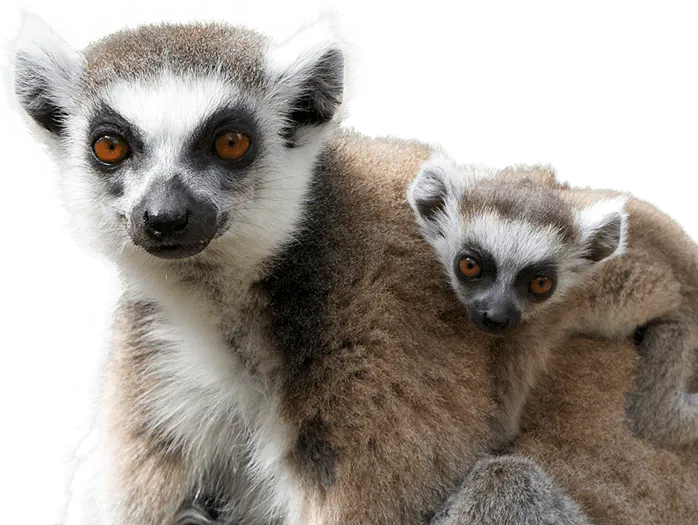
Get up close and personal with the adorable lemurs of Madagascar and immerse yourself in the lush and vibrant rainforests that are their natural habitats.
Discover TourFAQs
FAQs
These are the Frenquently Asked Questions
Is it safe to travel to Madagascar?
Is it safe to travel to Madagascar?
Traveling to Madagascar grants you lots of opportunities despite misery and poverty. However, Malagasy people in general are very kind, friendly, and hospitable, welcoming, treating travelers well. In fact, Madagascar is one of the safest and friendliest countries to travel to.
Like any other big cities though, there are some places where thieves, robbers, snatchers, pickpockets roam around in hope to find their victims. Thus, Madagascar Safari Tours strongly recommend the travelers to be aware and careful especially in big cities. They are advised to make sure and look after their own personal belongings, keep their valuables and money in separate places in case of loss or theft and ensure you’re not out alone at night. Besides, remember that this country is very poor, so people tend to commit petty theft, so avoid walk around flaunting jewelry or money.
As far as animals are concerned, the country does not have any venomous snakes among its 80 species recorded. Crocs do not pose real threat. We recommend you listen to your guides and you remain safe till the end of your trip, bringing home pleasant and memorable tours.
Traveling in Madagascar looks like what?
Traveling in Madagascar looks like what?
Road conditions, hotel infrastructures are far from the European standard. Domestic flights are commonly viewed as unreliable. Driving would be the best way to go around the country in spite of pot holes and dirt road covering the whole surface.
Hiking in certain areas are very rewarding despite climate might be too hot, like the case in Isalo national park. Thus, bring much water, at least 1 liter and half.
Besides, being a tropical climate area, many places are prone to malaria, bilharzia, and diarrhea. The recent fear of bubonic plague surely has a great negative impact on tourism holding back its economic growth while scaring lots of travelers who want to travel to Madagascar. In fact, such epidemic has not threatened the locals and has not yet claimed a gross death toll.
What do Malagasy people eat as their main food staple?
What do Malagasy people eat as their main food staple?
‘Ravitoto sy henakisoa’ is the most famous traditional food in Madagascar. It is translated as the smashed cassava leaves with pork.
Also, garbanzo beans with pork, ‘romazava’ (soupy green leaves with beef broth) are among the most popular toppings.
In fact, in every day to day life, Malagasy people take soupy rice with jerky meat for breakfast. Rice is heavily consumed three times a day, a culture influenced by the Indonesians.
However, in most hotels, travelers are usually served with American continental for breakfast (tea, coffee, bread and jam). For lunch and dinner, especially in coastal areas, fresh seafood abound, fresh French fries and lots of beef and pork. Unfortunately, there are few choices for vegetarians. Omelet or spaghetti and sautéed vegetables are on offer with rice and noodles. We would be happy to get notified regarding your dietary requirements prior to departure in hope to let us best serve you during your trip.
Is tap water safe to drink?
Is tap water safe to drink?
The answer is NO. Tourists are strongly recommended to drink water from sealed water bottles, boiled water when bottled are not available in some rural areas. Besides, you can buy purification tablets or iodine to treat water during your travels, and vitamin C tablets are good for hiding the taste. When ordering lettuce, salad, please make sure that it has been washed using a water bottle and not tap water. Anyways, the vast majority of hotels usually use bottled water for their cuisine.
What do Malagasy people drink?
What do Malagasy people drink?
‘Ranon'ampango’ is the most preferred drinking water by all Malagasy people. It is burnt rice water stuck at the bottom of the cooking pot.
Besides, Rhum is also considered as the most consumed home-made alcohol throughout the island. Also, THB meaning ‘Three Horses Beer’ is viewed as the vastly famous beer drunk by most Malagasy people. This is the most consumed beer in the country receiving international reward during the Oktoberfest in Germany!
What language do the Malagasy people use in their everyday life?
What language do the Malagasy people use in their everyday life?
Malagasy is the main native language used every day. There are 18 tribes officially but the French language prevails in most cities especially in market places, shops and in business dealings. It would be nice to have basic French before departure.
What souvenirs should I bring home?
What souvenirs should I bring home?
There are great deals of souvenirs that can be brought back home for items made from handcrafts, woodcarvings, raffia, and so forth. Some items though are strictly forbidden for exportation such as eggshells from Aepyornis, fossils of any sorts including ammonite for instance and skins from crocs and so on.
Is Visa obligatory when traveling to Madagascar?
Is Visa obligatory when traveling to Madagascar?
At the moment, traveling to Madagascar is not that hard since tourists can obtain their visa upon arrival and it is free of charge in spite of the fact that entering Madagascar requires all foreign nationals to possess tourist visas. Thus, we recommend you to obtain it before arrival.
How Money, credit cards and expenses works there?
How Money, credit cards and expenses works there?
Understanding Money in Madagascar:
- Currency: The Malagasy currency is the Ariary (MGA), divided into 5 Iraimbilanja.
- Availability : Ariary is primarily available at local banks, official exchange offices in hotels, and the airport in Antananarivo.
- Recommendation : We suggest bringing cash in Euros (EUR), British Pounds (GBP), or US Dollars (USD) for exchange. Tip: Exchanging a small amount (200-350 EUR) for Ariary upon arrival at the airport is convenient. You can exchange more throughout your trip as needed. Remember, leftover Ariary cannot be converted back to foreign currency, so exchange smaller amounts at a time. Important: Avoid black markets for currency exchange.
Credit Cards:
- Limited Use: Credit cards are only accepted in some hotels, primarily in major cities like the capital (Antananarivo) and provincial capitals.
- Fees Apply: Using your credit card may incur fees depending on your bank.
- ATMs: Withdrawing cash from ATMs is possible at major banks, but ATMs are not widely available, especially in rural areas.
- Bottom Line: Cash is king in Madagascar, especially outside major cities. Plan to use cash for most purchases.
How much should I spend on a meal?
How much should I spend on a meal?
Expect a maximum of $15 per meal (lunch and dinner), all breakfasts are included.
How much does a tourist visa cost and how do I get one?
How much does a tourist visa cost and how do I get one?
For stays in Madagascar, a short-term visa is required. Here's a breakdown of the cost:
- Less than 15 days: €10 (administrative fee)
- More than 15 days: €35 (visa fee)
Obtaining Your Visa:
There are two convenient ways to secure your visa:
1. Apply Online: This is the recommended option to avoid any potential delays upon arrival. Visit the official government website: https://evisamada-mg.com/en/home
2. Visa on Arrival: Obtain your visa upon arrival at the airport immigration office by presenting your passport.
How do tips and gratuities work?
How do tips and gratuities work?
We believe tipping is a personal choice for each traveler. However, it's important to understand that tipping is customary in Madagascar, where wages tend to be lower. Consider tipping to show your appreciation for good service.
- Drivers: €5 USD per day
- Local Guides: €3-€5 USD per day
- National Guides: $8-$10 USD per day
- Restaurant Waiters: 10% of the bill (adjust based on service quality)
Explanation:
- Drivers: Drivers typically receive a smaller tip compared to guides.
- Local Guides: Local guides, who might be specific to a town or region, can be tipped in this range.
- National Guides: National guides, who are often more experienced and have broader knowledge, can receive a slightly higher tip.
Why choose Travelia Safari as your Madagascar tour operator?
Why choose Travelia Safari as your Madagascar tour operator?
Travelia Safari is Madagascar's best-reviewed local tour operator with a 4.9★ rating and over 65 five-star reviews in 2025. We specialize in expert safari tours, baobab adventures, lemur encounters, and customized wildlife experiences. Our team of professional guides ensures unforgettable Madagascar travel experiences.
What safari tours does Travelia Safari offer in Madagascar?
What safari tours does Travelia Safari offer in Madagascar?
We offer a wide range of Madagascar safari tours including Baobab Safari (8 days), Eastern Wonder with Indri lemur encounters (8 days), Southern Trekking (17 days), Diving Tours in Nosy Be (9 days), Indri Encounters (4 days), and custom itineraries. All tours are led by expert local guides.
How much does a safari in Madagascar cost?
How much does a safari in Madagascar cost?
Our Madagascar safari tours range from €800 for 4-day trips to €4,500 for comprehensive 17-day adventures. Average cost is €150-250 per person per day, including accommodation, transportation, guide, and park fees. Contact us for customized quotes.
What is the best time to visit Madagascar?
What is the best time to visit Madagascar?
The best time for Madagascar safari tours is April to November (dry season). May to October is ideal for wildlife viewing, whale watching (July-September), and baobab photography. We operate year-round with tours adapted to each season.
Is Travelia Safari a local Madagascar tour operator?
Is Travelia Safari a local Madagascar tour operator?
Yes, Travelia Safari is a 100% Malagasy-owned and operated local tour operator based in Antananarivo. We have deep local knowledge, direct partnerships with lodges and parks, and support local communities through sustainable tourism practices.